- Theme: Mangroves
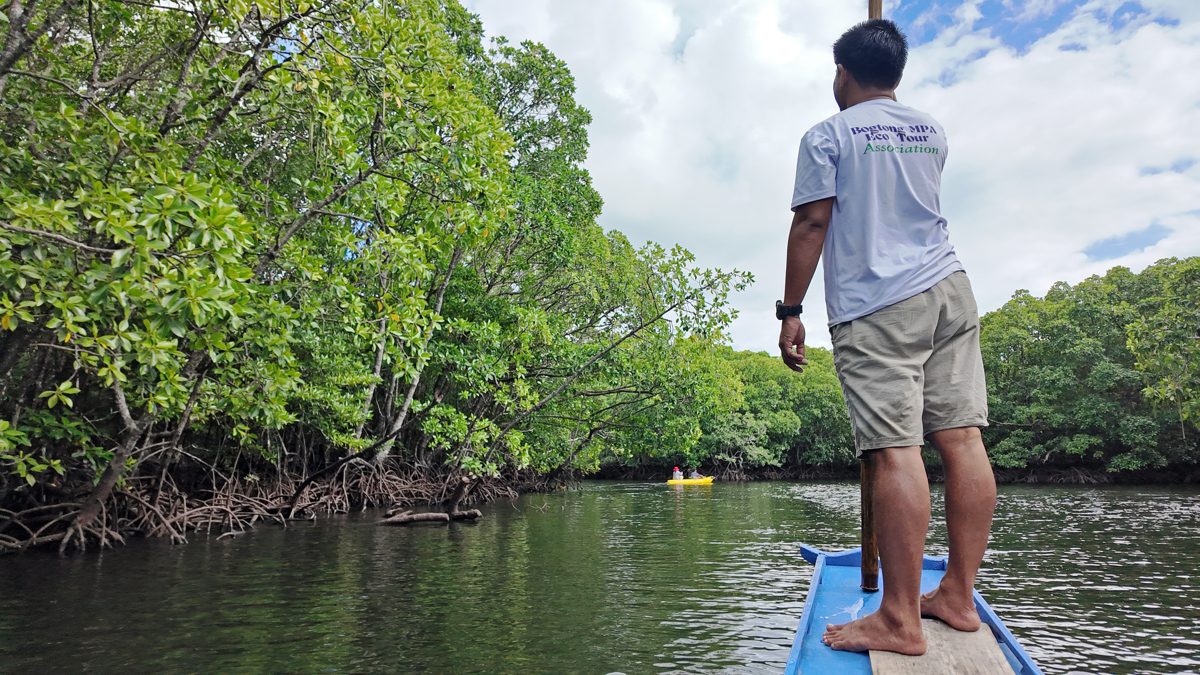
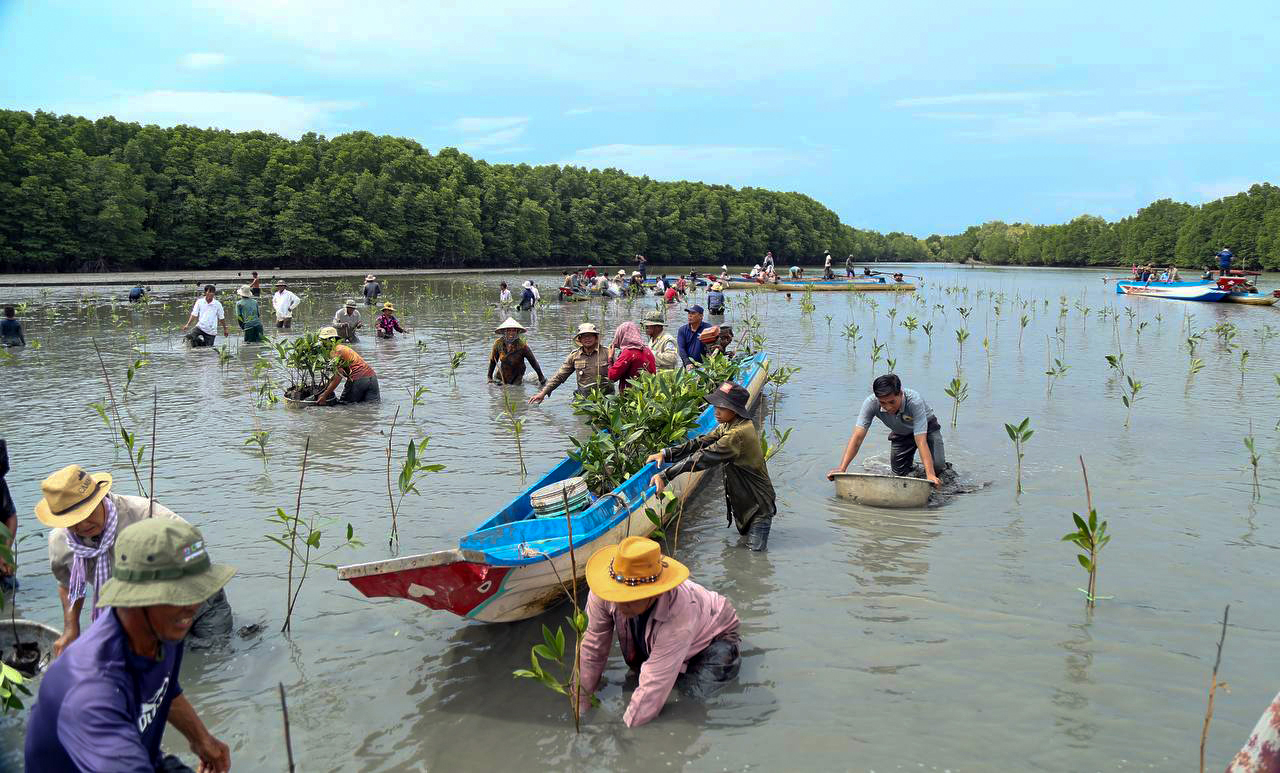
In the quiet coastal village of Barangay Bogtong, located on the island of Busuanga in Palawan — the Philippines last ecological frontier — the rhythm of life is intertwined with the tide.
For the over 1,200 residents of Bogtong, the green belt of mangrove forests is more than just scenery; it is their "bioshield," their nursery, and their supermarket.
Following the catastrophic impact of Typhoon Haiyan in 2013, which left a trail of damaged ecosystems, the community realized that their survival depended on the health of these salt-tolerant trees.
Today, with the support of the GEF/UNEP/UNOPS Implementing the Strategic Action Programme for the South China Sea and Gulf of Thailand (SCS SAP), Bogtong has emerged as a modest beacon of community-led restoration.
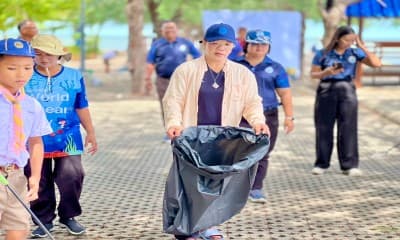
The powerful, yet often under-recognized, force in environmental stewardship is the focus of the GEF/UNEP/UNOPS SCSSAP Project this International Day of Rural Women on 15 October. Across the globe, it is rural women in coastal and sea resource management whose firsthand knowledge and tireless labor prove absolutely vital to the health of the world's oceans and the livelihoods of their communities.
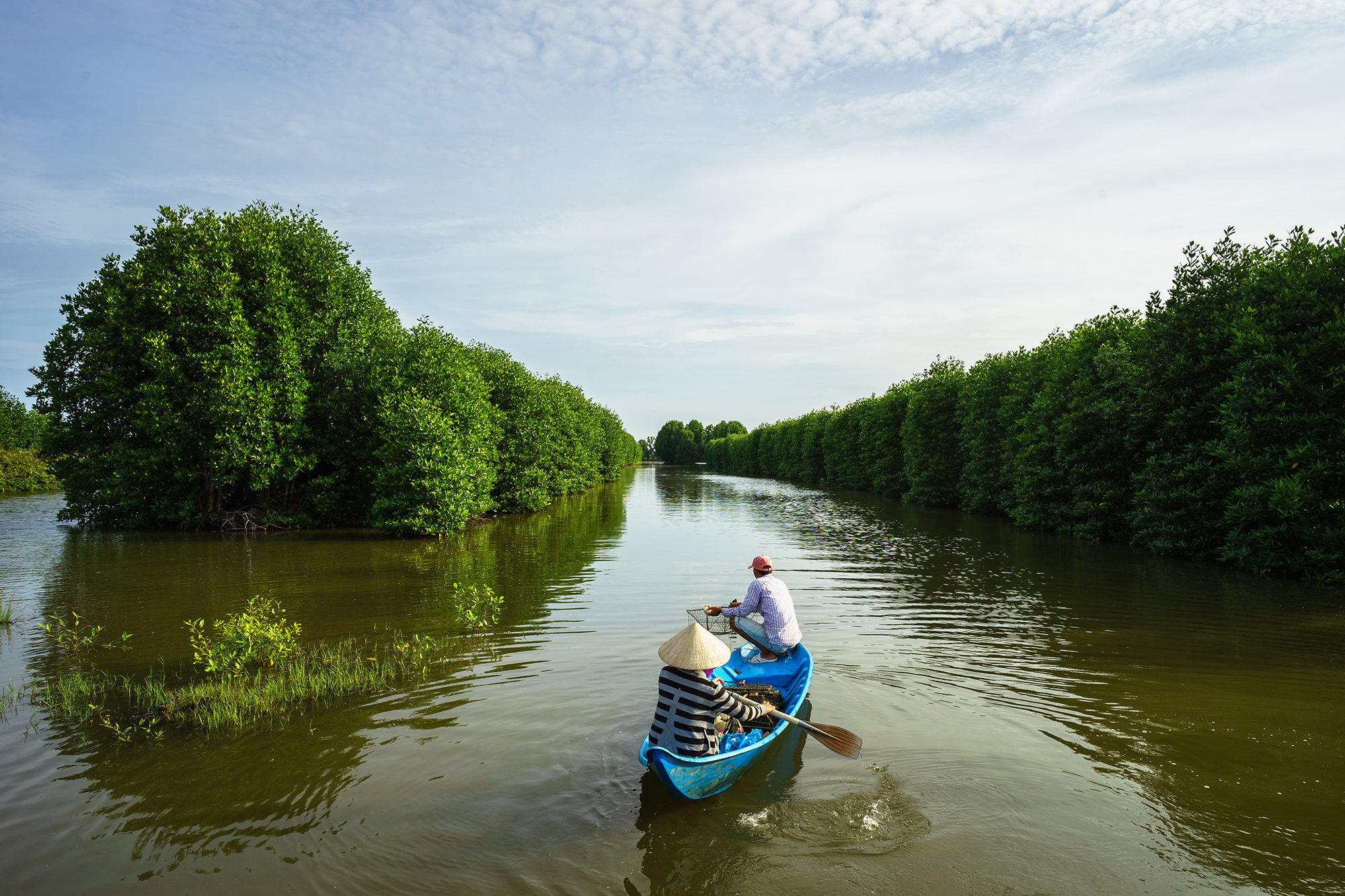
Cambodia’s coastal landscape is a mosaic of vital ecosystems: mangroves, coral reefs, seagrass beds, and wetlands. These habitats are the lifeblood of the region, providing food security and livelihoods for millions; protecting them is central to the Strategic Action Programme (SAP) for the South China Sea and Gulf of Thailand Large Marine Ecosystems (LME).
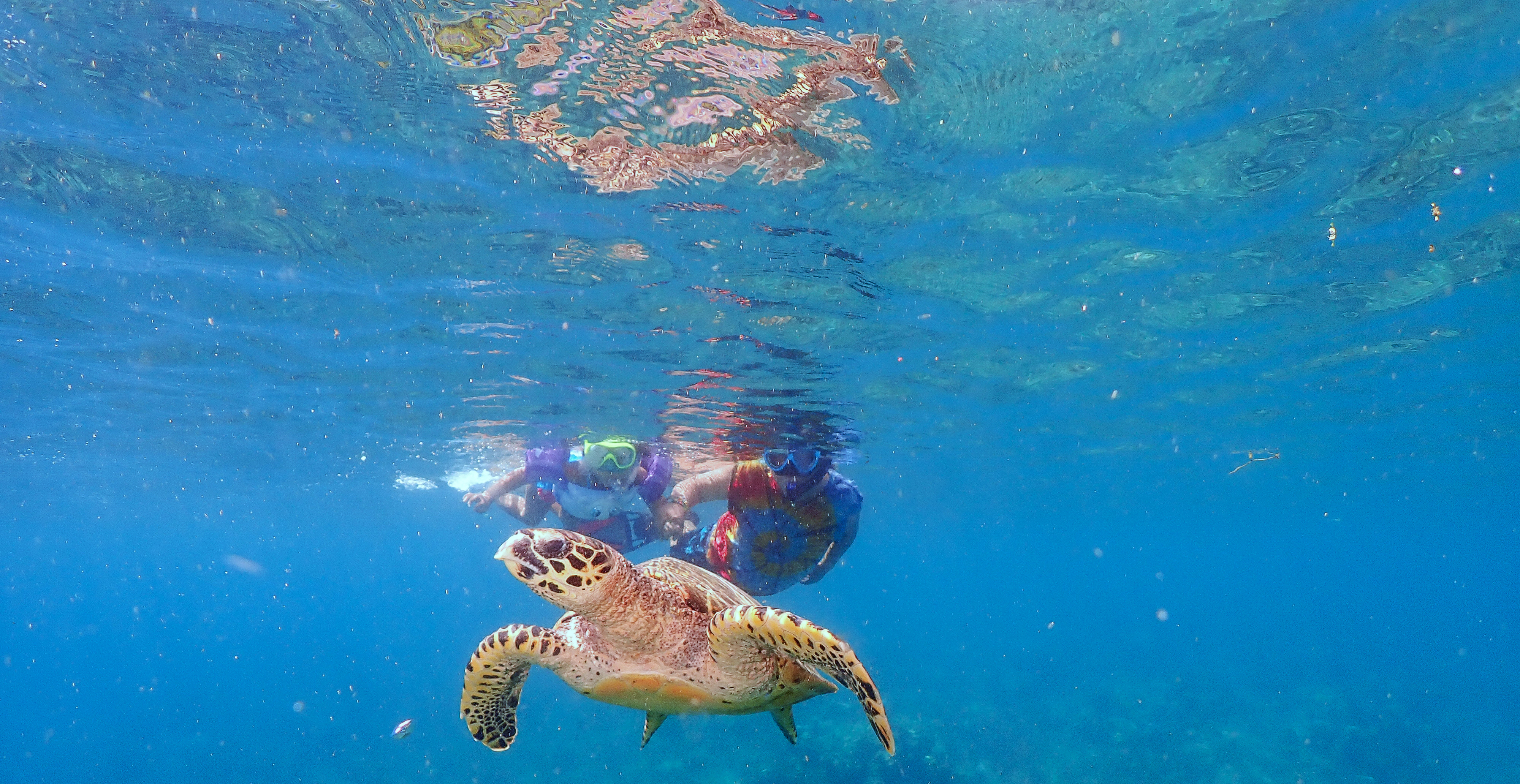
Romy Trono's work with the ocean began early. A key part of Romy's work involves Large Marine Ecosystems (LMEs). This work requires navigating different national priorities and ensuring that all countries are working towards common goals. Romy's story is not just one of scientific expertise or political navigation. It is also a story of hope.

- Details
Across the region, a new generation is stepping up to protect the South China Sea LME, driven by a shared understanding that the future of their communities and the ocean are inextricably linked.
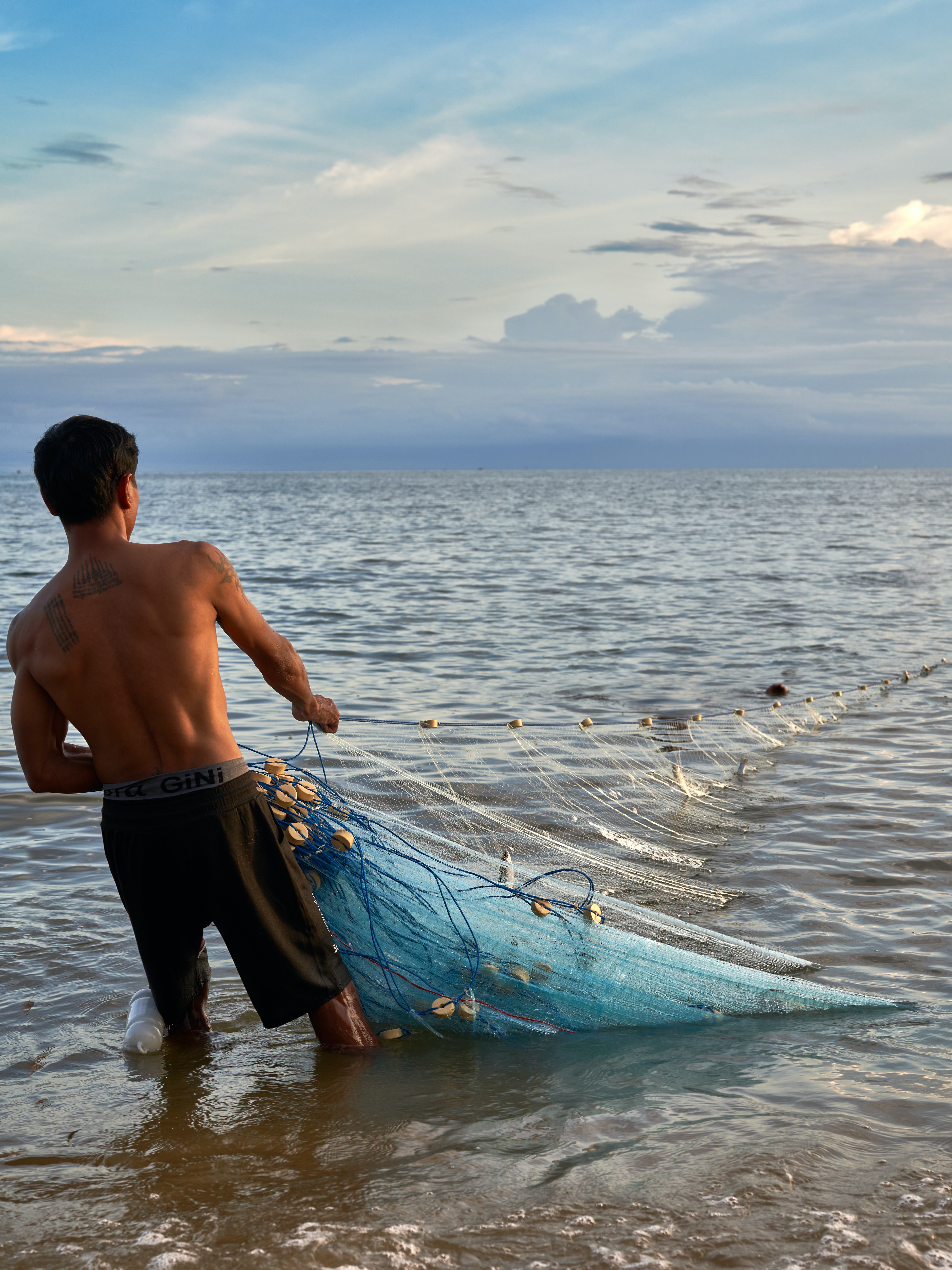
With funding from the Global Environment Facility (GEF) and the support of the United Nations Environment Programme (UNEP), the project “Implementing the Strategic Action Programme for the South China Sea and Gulf of Thailand” (SCS SAP Project) is leading in achieving the agreed targets outlined in the Strategic Action Programme which aims to restore and conserve these two large marine ecosystems.
The “Implementing the Strategic Action Programme for the South China Sea and Gulf of Thailand” (SCS SAP Project) completed its Inception Phase with the 1st Steering Committee Meeting held online on the 29 and 30 of June, 2021 with official representatives from Cambodia, China, Indonesia, Philippines, Thailand and Viet Nam and the UNEP Task Manager for the project, with the support of SEAFDEC, UNOPS and the Project Coordination Unit staff. This was followed by the Inception Workshop was held on the 1 July 2021 in order to present and launch the project and discuss key partnerships.
- Details
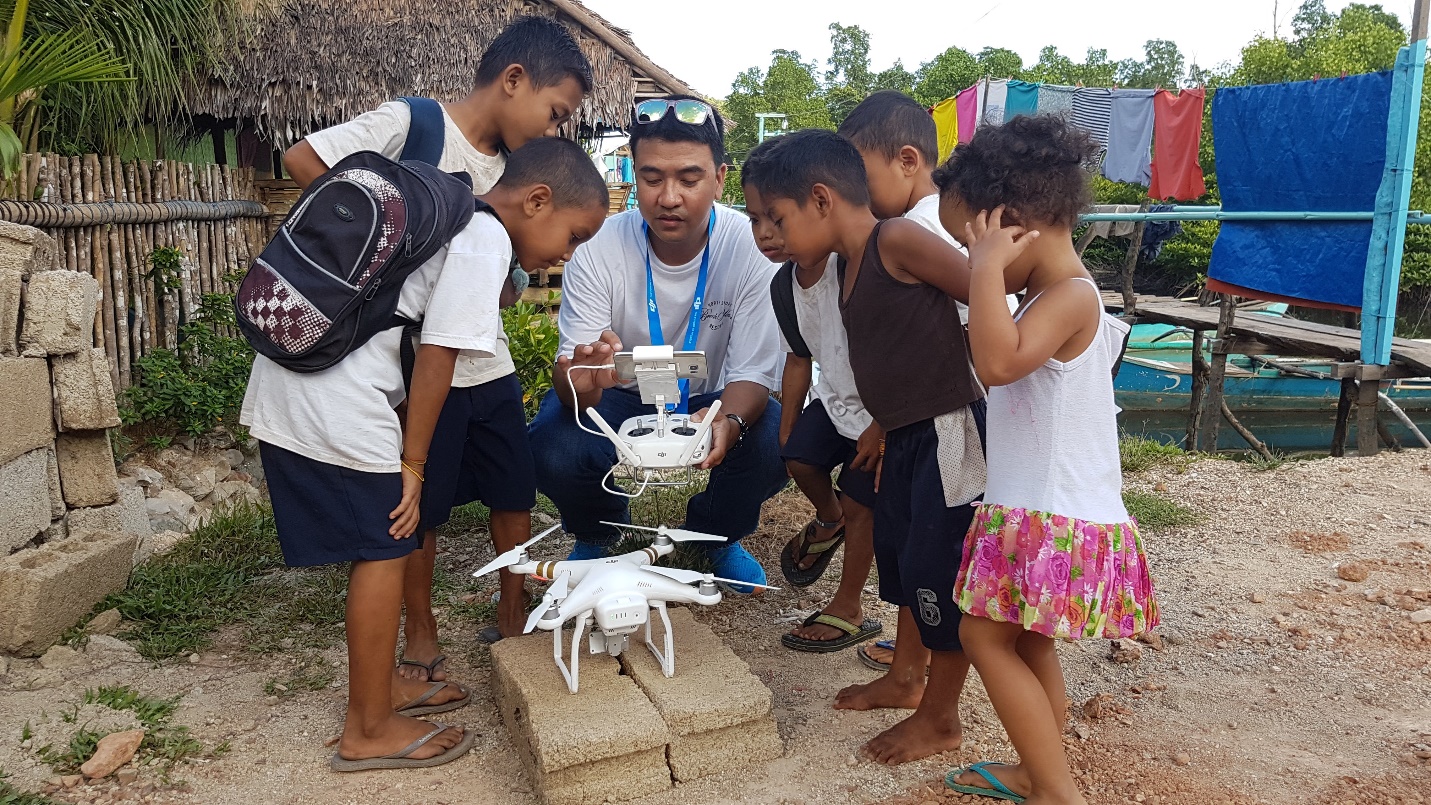
The GEF-financed Implementing the Strategic Action Programme for the South China Sea project is making significant strides in coastal environmental security. Launched by UN Environment, the project is working to achieve major environmental stress reduction across over 1.8 million ha of coastal habitats (mangroves, coral reefs, seagrass, and wetlands). A key innovation driving this success is the scaled-up application of drone technology (unmanned aerial vehicles) to conduct cost-effective aerial surveys and rapid assessments.
The SCS SAP Project assist countries in meeting the targets of the approved Strategic Action Programme (SAP) for the marine and coastal environment of the South China Sea and Gulf of Thailand through implementation of the National Action Plans in support of the SAP, and strengthening regional co-ordination for South China Sea and Gulf of Thailand SAP implementation
Led By:
In Partnership with:
Supported By: