
My journey in marine conservation began in 1982 when I joined Task Force Pawikan — a specialized initiative under the Philippine Department of Environment and Natural Resources (DENR) to protect a rapidly declining sea turtle population. I eventually stepped into the role of Project Leader, a position that defined the trajectory of my career and laid the foundation for my current work as National Coordinator for the SCS SAP Project.
When my team of biologists was first deployed to the remote Turtle Islands in Tawi-Tawi, we faced a daunting reality: local sea turtle populations had plummeted by a staggering 88% since the 1950s. Our mission was to halt and reverse this decline. Because green sea turtles take approximately 25 years to reach sexual maturity, we knew we were investing in a future we might never live to see.
My perspective changed permanently during our first night on Baguan Island, a strictly protected "no-take" sanctuary zone. Watching a massive green sea turtle emerge from the surf under the moonlight to deposit roughly 100 eggs was a profound experience that solidified my dedication to marine biology. The following year, our team returned to Baguan for a continuous three-month deployment. Operating with no electricity, no outside communication, and highly limited government funding, the expedition was a true test of resourcefulness and endurance. Ultimately, it was a success; we protected hundreds of nesting turtles, safeguarded thousands of nests, and released hundreds of thousands of hatchlings into the ocean.
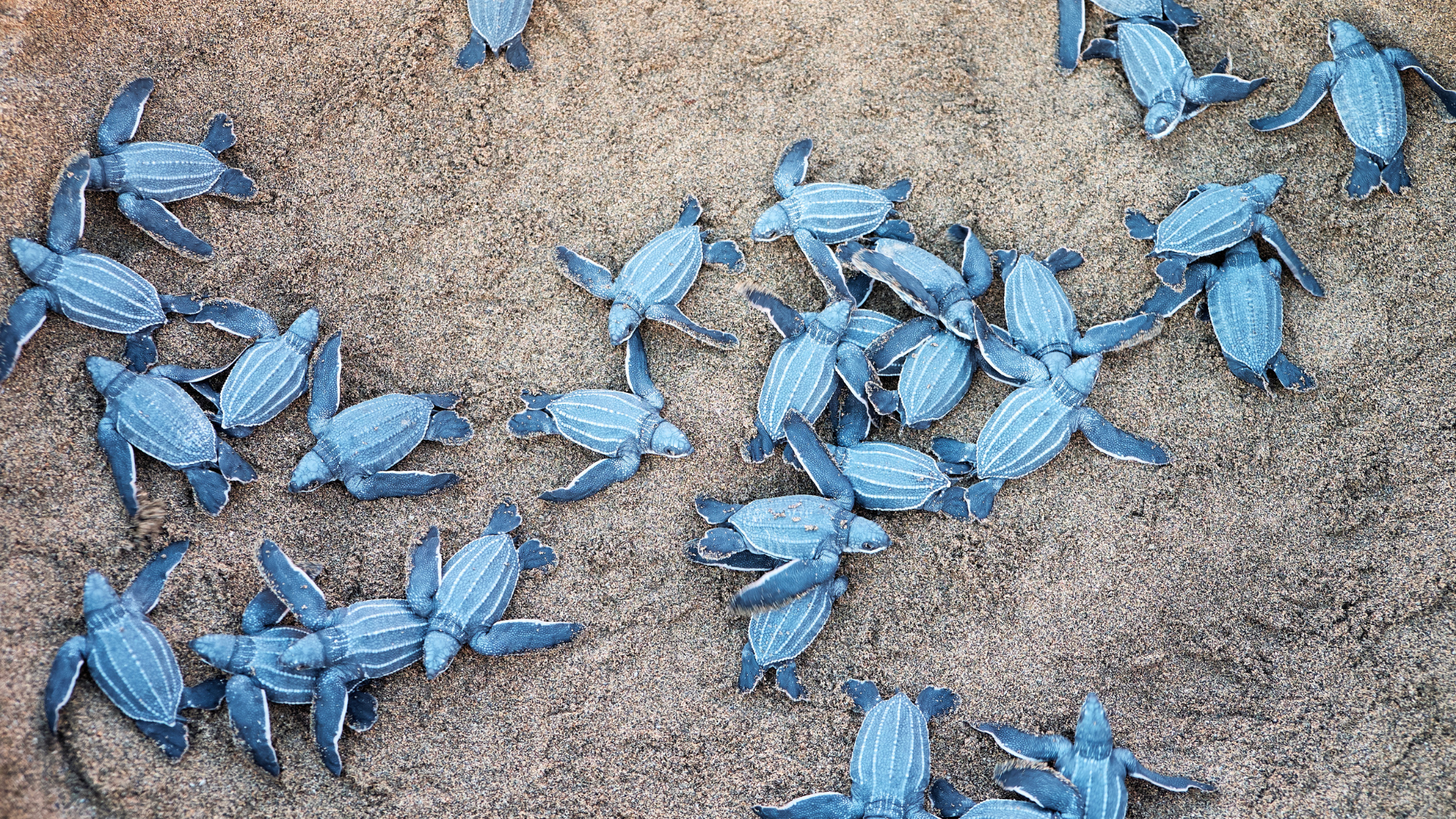
Following my nine-year tenure with the Pawikan Conservation Project, I transitioned into international non-governmental leadership, serving as the Country Executive Director for WWF-Philippines for a decade, followed by an additional nine years as the Country Executive Director for Conservation International. Throughout these 19 years, I prioritized securing critical funding and resource allocation to sustain the research programs on Baguan Island.
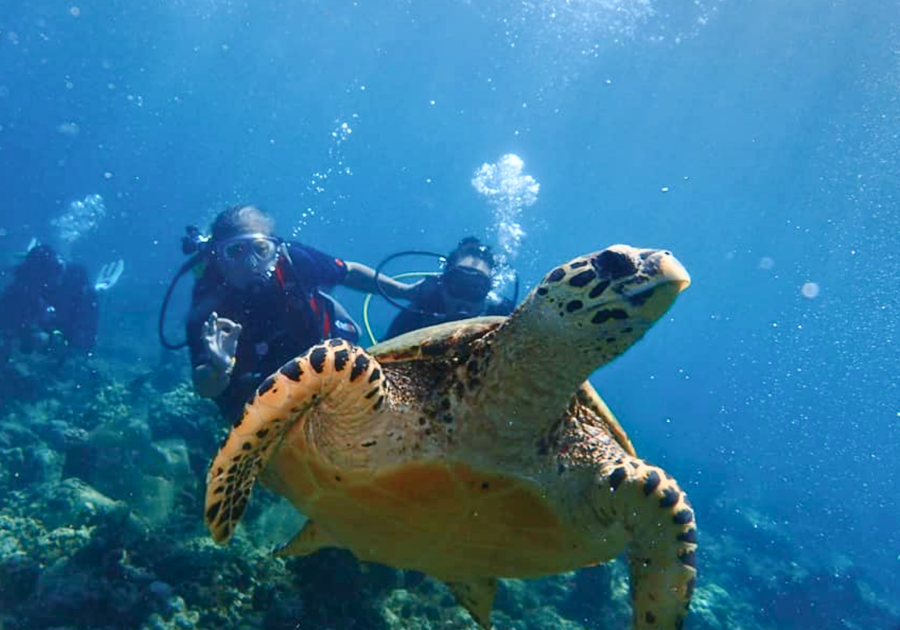
In 2018, six years after my retirement, I had the opportunity to revisit the Turtle Islands. The updated data from DENR was remarkable, showing that nesting incidences on Baguan Island had increased by 700% since our early interventions. By 2021, the results grew even more definitive: green sea turtle nesting on the island had surged by an astonishing 1,002% compared to the 1982 baseline.
This dramatic population recovery stands as tangible proof that long-term strategic planning, continuous funding, and persistent local management can successfully reverse the tide of extinction. Today, this same philosophy of persistent, transboundary collaboration drives my work with the SCS SAP Project, ensuring that our shared marine ecosystems are protected for generations to come.
- - - - - - - - -
READ MORE about Romy Trono’s extensive career bridging communities, science, and regional policy across the South China Sea in this GEF IW:LEARN Feature Story: Building Bridges for the Sea.