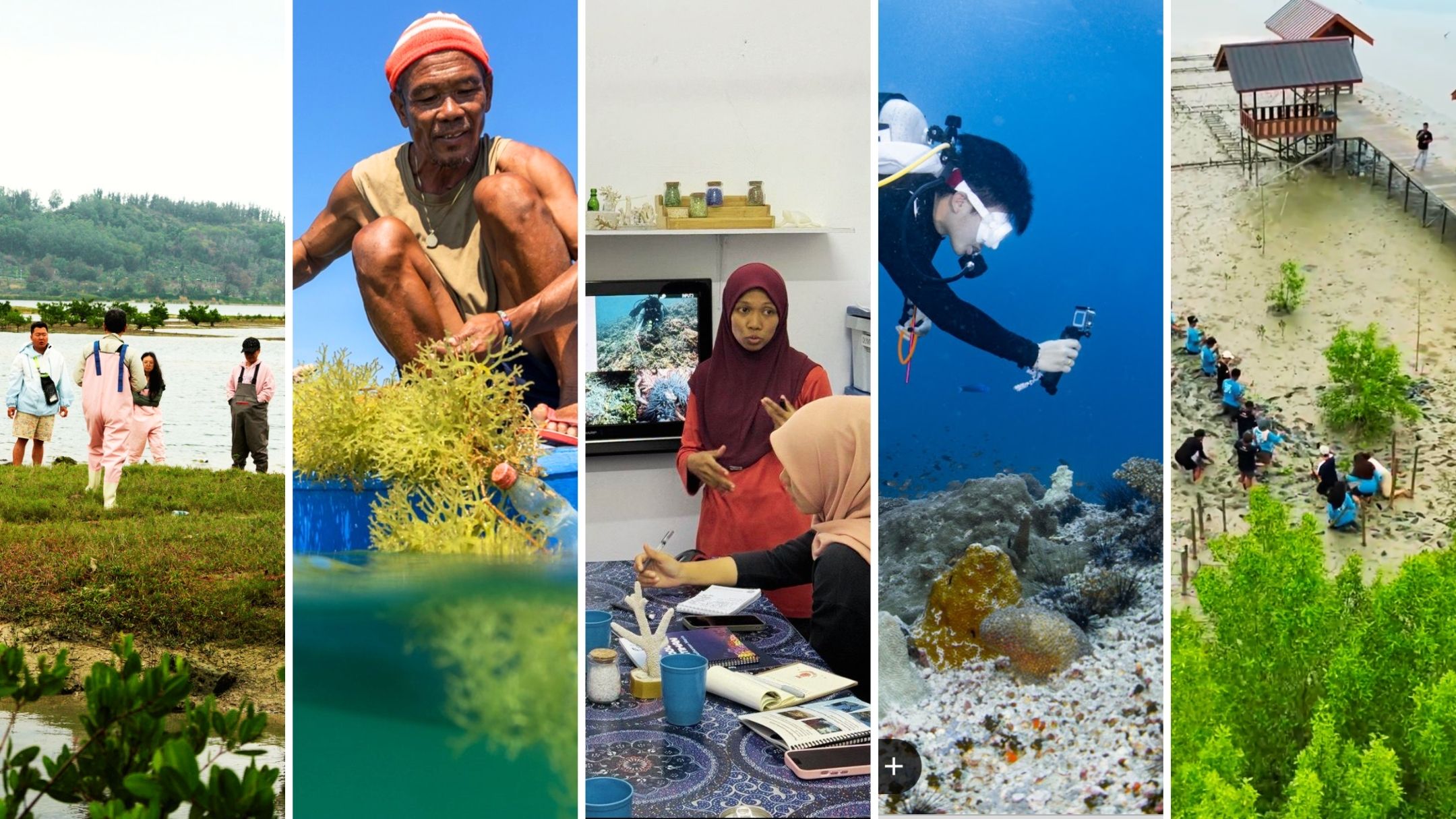
On April 2026, two significant milestones anchored the SEA Grantees’ progress. In Cambodia, SAMAKY Organization and Khmer Ocean Life (KOL) inaugurated the Kampot Dolphin Visitor Center, the country’s first community-run ecotourism hub dedicated to the Irrawaddy dolphin. Meanwhile, in Vietnam’s Mekong Delta, the Women4Mangrove (W4M) network opened a community house in the heart of the forests they have protected for years.
These events were not just a ceremony. The SCS SAP Project’s SEA Grants program, supported by the GEF, UNEP, UNOPS and COBSEA, was announced in 2025. Since the launch of the first cohort later that year, it has been testing a vital theory: can a modest investment of USD 50,000 drive lasting regional impact? The progress reported at the March 2026 midpoint meeting, coupled with these recent launches, provides a resounding "yes" to that theory.
Beyond the visitor centers
The Kampot Dolphin Visitor Center is Cambodia's first community-run dolphin ecotourism facility. It will serve both as an education hub and the departure point for guided dolphin-watching tours on the Kampot coast.
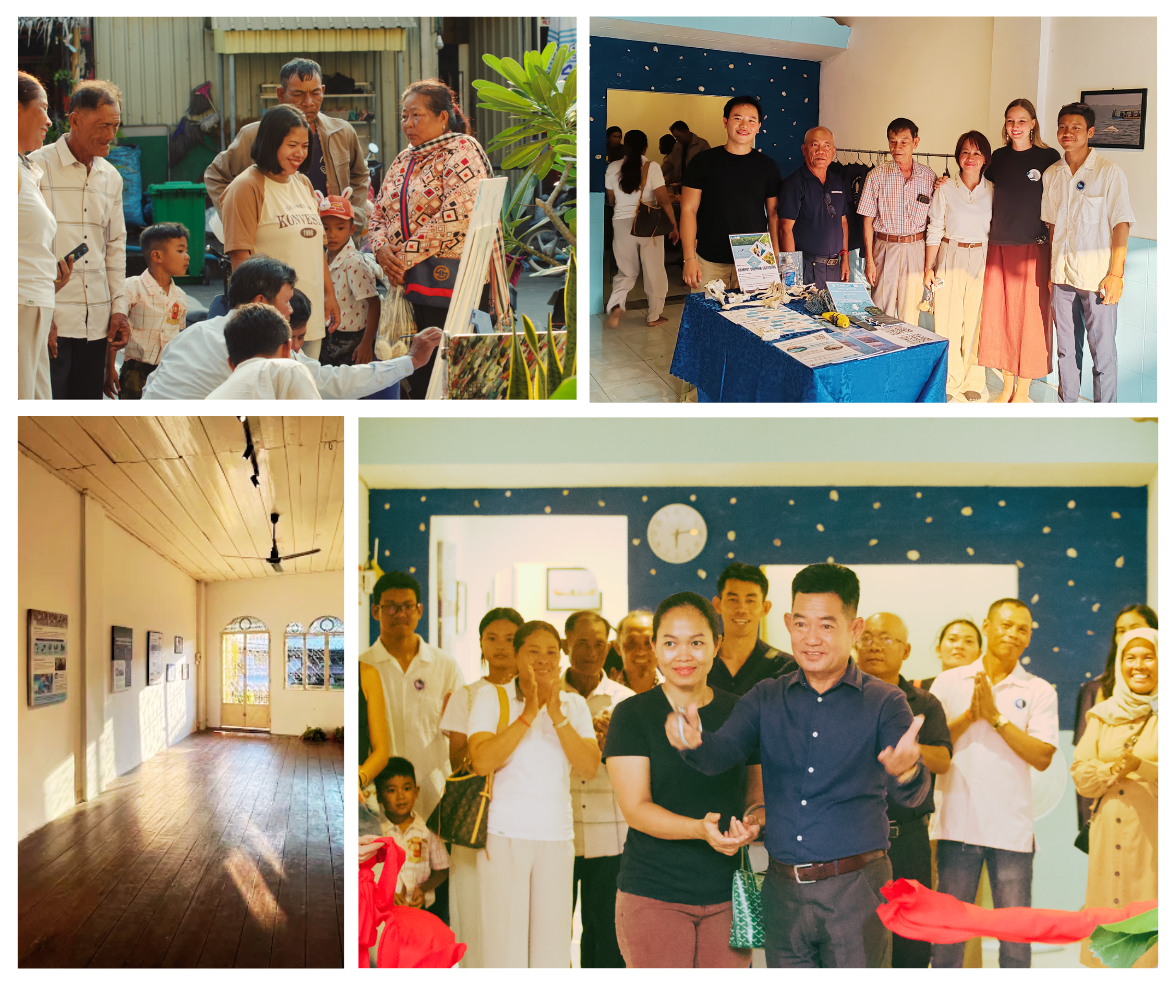
The inauguration of the Kampot Dolphin Center on 3 April 2026 was a celebration that convened officers of the Kampot Provincial Fisheries Administration, and members of the Changhaun and Trapaeng Ropov fishing communities under one roof. Photo: Khmer Ocean Life.
The midpoint numbers are promising: 15 outreach lessons in schools, weekly English lessons for community ecotour guides, four coastal cleanups, 23 ecotours, and USD 1,455 in profit. Every dollar is being tracked. The profit-sharing and reinvestment framework is still being finalized, but the principle is already operating: the revenue is equally split to fund community development and ongoing conservation.
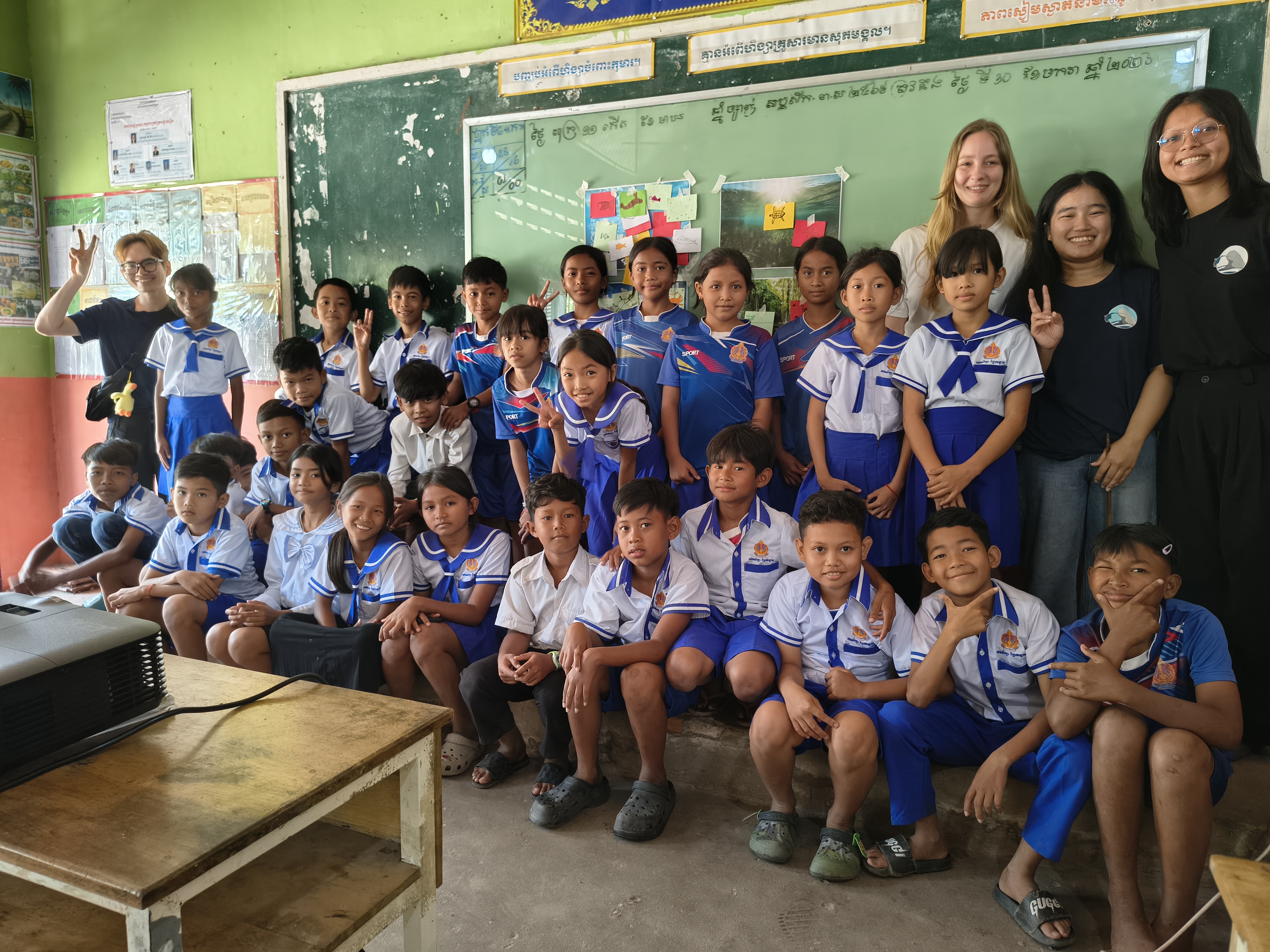
The Khmer Ocean Life team with students at a Kampot primary school following an hour-long interactive lesson on marine habitats and species. School outreach is part of the Kampot Dolphin Ecotourism project, supported by the GEF/UNEP/UNOPS SCS SAP Project through SEA Grants. Photo: K. Gudczinski/SCS SAP.
The W4M Community House in Cu Lao Dung, officially opened on 15 April 2026 by the University of Economics Ho Chi Minh City (UEH), works on a similar logic. Its launch, attended by local government officials, school groups, farmers' and women's unions, and ecotourism operators from Can Tho and Ho Chi Minh City, focused immediately on function — nursery visits, mangrove planting, nature-based experiential learning and hands-on training for local tour guides. W4M links mangrove conservation with women's economic empowerment on Cu Lao Dung Island, Vietnam, using community-based eco-tourism and sustainable harvesting as its primary tools.
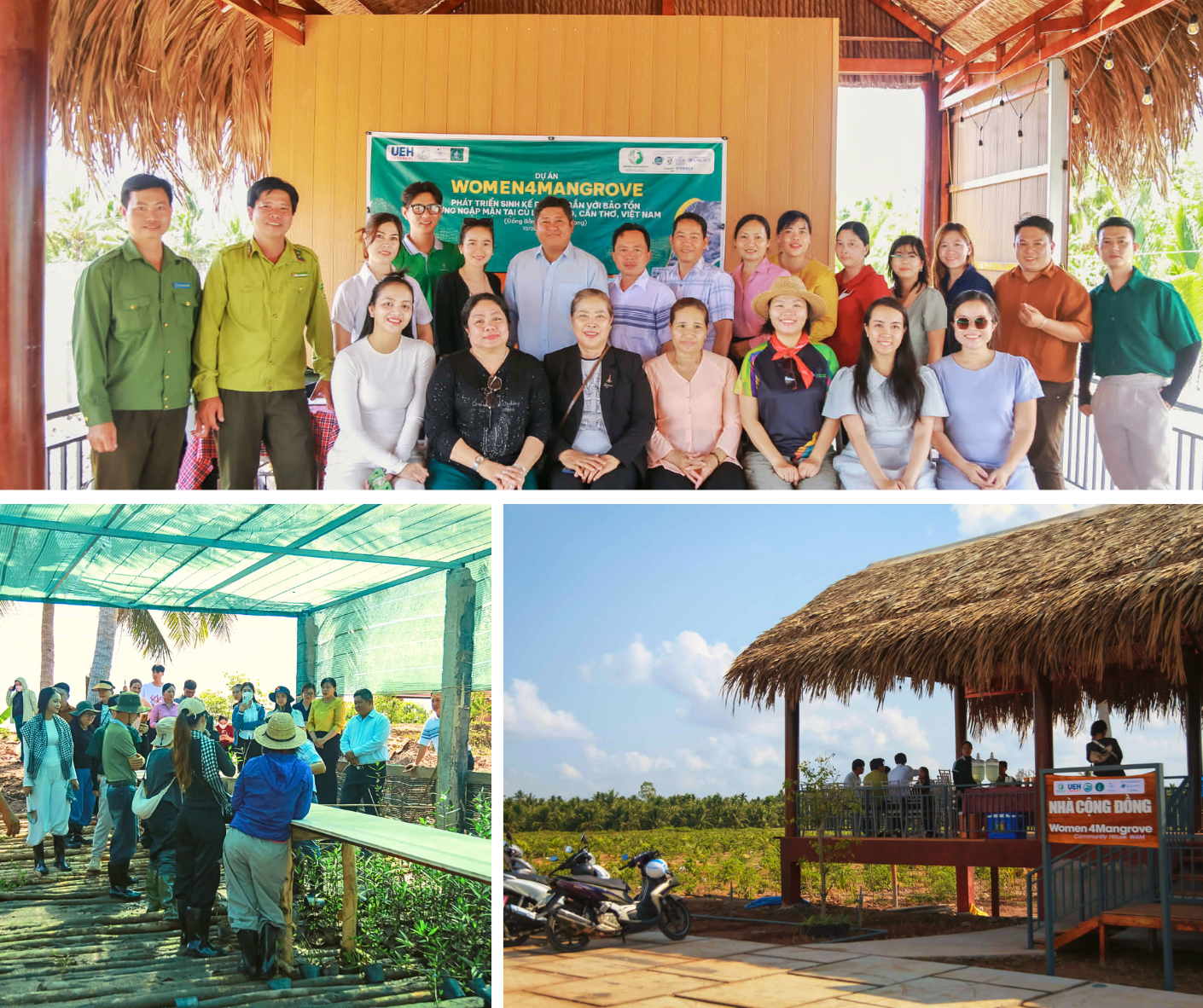
The Women4Mangrove Nursery Center and Community House on Cù Lao Dung opens its doors as a working space where locals and visitors learn about mangrove ecosystems, join replanting activities, and try making nature-based products from mangroves. Photo: Women4Mangrove.
In a striking display of local commitment, the Cu Lao Dung Entrepreneur Club funded 78% of the construction costs. This local investment proves the project’s credibility; it isn't just a grant-funded activity, but a community-owned asset.
Read the full story on GEF IW:LEARN to know more about how the seven SEA Grantees are transforming coastal communities.